Shopping for a Westshore luxury condo or townhome should feel exciting, not overwhelming. You want the right waterfront access, a smart HOA, and a building that holds value, all within minutes of Tampa International Airport. In this guide, you’ll learn exactly how to compare options in Westshore so you can buy with confidence and avoid costly surprises. Let’s dive in.
Understand Westshore’s appeal
Westshore sits at the geographic center of Tampa Bay with a mix of office towers, destination retail, and waterfront living. The area is commonly bounded by Kennedy Boulevard, Himes Avenue, Hillsborough Avenue, and Old Tampa Bay, which includes the Westshore Business District and Rocky Point. You can confirm the district’s boundaries using the official Westshore boundary map.
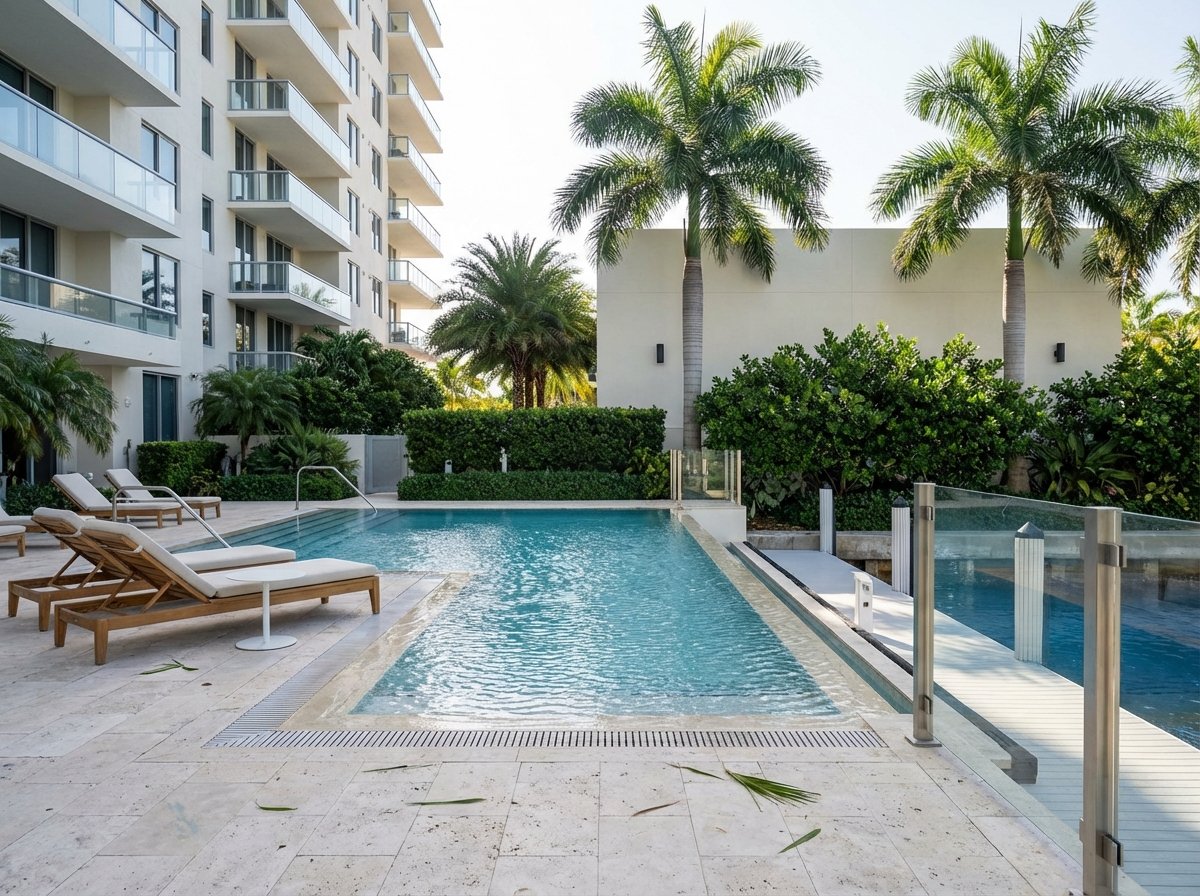
For luxury buyers, you’ll find three main product types: high and mid-rise waterfront condos with marina or slip access, gated townhomes that may allow private docks on select lots, and non-waterfront luxury condos close to International Plaza and office hubs. The location works well if you value quick airport access, a low-maintenance lifestyle, and newer waterfront towers near business and retail.
Start with lifestyle priorities
Before you tour, list the top three outcomes you want:
- Waterfront views or guaranteed boat slip access
- Maximum monthly HOA you are comfortable with
- Tolerance for airport noise and flight paths
- Commute time expectations to downtown or South Tampa
- Flood zone comfort and insurance budget
This short list will keep your search focused and help you rule out buildings that do not fit early.
Building type and waterfront access
Water access in Westshore varies by building, and that directly affects price, HOA costs, and long-term enjoyment.
- High-rise waterfront condos may feature on-site marinas or resident slips.
- Mid-rise waterfront complexes can offer limited slips plus kayak or paddle launches.
- Gated townhome enclaves sometimes allow private docks on certain lots.
A new luxury waterfront tower in the Westshore Marina District is marketed with resident slips as part of a premium amenity package. By contrast, buildings like The Emerson at Rocky Point’s marina page highlight a smaller number of slips and paddle launches. These examples show the range: from full marina communities to buildings with only a handful of slips.
Boat slip due diligence
If a slip matters to you, verify details before you write an offer:
- Ownership model: deeded, association-controlled, or rentable
- Slip length, depth, and lift capacity for your vessel
- Transfer and resale rules at closing
- Separate marina fees and assessments
- Waiting lists and priority rules for residents
A deeded slip with clear transfer rights usually supports stronger resale value than a first-come, first-served model.
HOA dues and what they cover
Monthly dues typically fund building maintenance, master insurance, elevators, utilities for common areas, security, and amenity operations. Luxury properties with 24-hour staff, valet, concierge, resort-style amenities, and managed marinas often post materially higher dues. In waterfront towers, published ranges can exceed $1,000 per month depending on unit size and amenity scope.
Florida condo owners have also seen higher assessments and operating costs in recent years. Reporting in Tampa Bay outlines rising fees and insurance-related pressures after statewide changes that followed the 2021 Surfside collapse. You can review that context in Axios’ coverage of condo fees in Tampa Bay. When you evaluate a building, study the budget, reserves, and any notices of special assessments so you know how dues could change.
Building safety, inspections, and reserves
Florida law now requires milestone structural inspections and structural integrity reserve studies (SIRS) for buildings with three or more habitable stories. These rules, found in Florida’s Condominium Act, Chapter 718, set reserve funding and disclosure standards. As a buyer, you should request the latest milestone inspection report and the completed SIRS for any eligible building.
If an inspection calls for immediate work, associations can levy special assessments or secure loans to fund repairs. Verify inspection dates, the scope of recommended work, the funding plan, and whether reserves are on track with the SIRS. The Division of Condominiums FAQ explains how milestone inspections and SIRS relate and what owners should expect.
Airport noise and flight paths
Proximity to Tampa International Airport is a major perk, but it also means you should confirm typical flight patterns and nighttime operations. TPA publishes flight path information, voluntary noise abatement procedures, and its Part 150 Noise Exposure Maps that show current and projected contours. You can explore those resources on the airport’s noise and flight-path page.
One metric to know is the Day-Night Average Sound Level. Under federal guidance, DNL 65 dB is commonly cited as the threshold for significant aircraft noise exposure for residential use. Check a building’s address against the latest TPA Noise Exposure Maps and, if noise is a concern, ask for measured data or time-of-day readings.
Commute and transit patterns
Westshore offers quick access to I-275, the Veterans Expressway, and the Selmon connectors, which makes off-peak trips to downtown as short as 10 to 20 minutes depending on route and traffic. For transit, HART routes along Kennedy and the Westshore hubs connect downtown, the airport transit center, and area malls. Review current schedules, including Route 30, using this HART route guide. Always test your commute during your usual travel times.
Flood zones and insurance costs
Much of Westshore sits along the bay or in low-lying areas. Verify the FEMA flood zone and any local floodplain designations for each property using the county’s official viewer on the City of Tampa site: Hillsborough County flood maps. Your flood zone and building elevation influence NFIP requirements, likely premiums, and mitigation strategies.
Florida’s coastal insurance marketplace has shifted in recent years. For condos, you will review the association’s master policy and how deductibles and rebuilding limits are split between the association and unit owners. Rising premiums or claims can change monthly dues or trigger special assessments. For context on recent insurance and assessment pressures, see AP News’ coverage of Florida’s insurance market.
Resale, financing, and rentals
Resale strength in Westshore tends to track with view, deeded slip ownership, lower special assessment risk, and a clean file of inspections and reserves. Buildings with healthy reserves, clear budgets, well-documented maintenance, and high owner occupancy are typically easier to finance.
Some lenders limit conventional loans in buildings with high delinquency, low reserves, significant litigation, or certain rental mixes. Work with a lender who understands Florida condos and current warrantability rules. You can explore an overview of how lender guidelines affect condo buyers in this local mortgage guide to Tampa Bay financing considerations.
On-site and document checks
Strong due diligence is your best protection. Request documents early and plan a thoughtful on-site review.
Key documents to request
- Governing documents: declaration, bylaws, rules, parking and storage assignments, slip deeds or rules if applicable
- Financials: current budget, audited financials, reserve balances, recent bank statements, delinquency summary
- Safety and reserves: latest SIRS, milestone inspection reports, scopes of work, bid summaries, and funding plans
- Insurance: master policy declarations and binders, flood policy, deductibles, owner responsibilities
- Governance: last 12 to 24 months of board minutes, notices of special assessments, management contract, litigation disclosures
Florida’s Condominium Act requires timely financial reporting and disclosures, so reference Chapter 718 and use the DBPR FAQ to confirm compliance.
What to check on site
- Building envelope: concrete spalling, balcony repairs, water stains in garages, roof condition
- Garage and floodproofing: drainage systems, pumps, signs of past standing water
- Systems and amenities: elevator reliability records, HVAC for common areas, pool and fitness condition, marina infrastructure
- Inside the unit: plumbing and A/C age, window and door seals, sound attenuation if near flight paths, any signs of moisture
Red flags to pause on
- Large recent special assessments without a clear reserve or funding plan
- Low or zero reserves when reports show near-term work
- Material association litigation that could lead to judgments
- High owner delinquency or frequent management turnover
- Unclear or unavailable marina documentation when a slip is a key value driver
Quick decision checklist
Use this short list to organize your move from research to offer.
- Before touring: rank your top-three must-haves and set a target HOA budget, commute window, and flood zone tolerance.
- Request with your offer contingency: minutes from the last 2 to 3 years, current budget and audited financials, SIRS and milestone reports, master insurance declarations, litigation disclosures, and slip documents if applicable.
- On the tour: walk balconies and the garage, ride elevators, review amenity upkeep, and confirm whether a slip conveys with the unit.
- Expert help: have an independent structural engineer review SIRS or milestone notes, consult a Florida condo attorney on documents, and speak with a lender early about building warrantability.
- Public resources: check TPA’s flight paths and NEMs, the county flood map viewer, Chapter 718, and the DBPR FAQ.
Westshore vs. nearby areas
- Westshore: business and travel convenience, quick airport access, and a growing set of waterfront and marina-oriented projects near Rocky Point and the Westshore Marina District.
- Downtown Tampa: a dense high-rise core with strong walkability to offices, Riverwalk, and Water Street amenities. Fewer large private marinas than South Tampa marina communities.
- South Tampa: established neighborhoods with marina clubs and a mix of condo and single-family waterfront options. Often a different product and price profile than Westshore. Choose based on whether you prioritize airport proximity, urban walkability, or club-style marina life.
Your next step
If you want a curated shortlist of Westshore buildings that match your slip needs, HOA budget, and commute window, let’s talk. I will coordinate private showings, request the right documents up front, and pressure-test each option against inspections, reserves, and resale drivers. For concierge-level guidance and access to Tampa’s best luxury inventory, connect with Laura Baker.
FAQs
What is Westshore and where is it in Tampa?
- Westshore covers roughly 10 square miles near the center of Tampa Bay and is commonly bounded by Kennedy Boulevard, Himes Avenue, Hillsborough Avenue, and Old Tampa Bay, which you can verify on the Westshore boundary map.
Are Westshore condos affected by airport noise?
- Some buildings are. Review TPA’s flight paths and Noise Exposure Maps and note that DNL 65 dB is the federal threshold for significant exposure.
How do boat slips work for Westshore condos?
- Slips can be deeded, association-controlled, or rentable. Confirm ownership, size and depth, lift capacity, transfer rules, and any waiting lists or fees before you write an offer.
What condo documents should I review before closing?
- Ask for governing documents, current budget and audited financials, reserve balances, SIRS and milestone inspection reports, insurance declarations, minutes, and litigation disclosures.
How do Florida’s condo inspections affect buyers?
- Buildings with three or more stories must complete milestone inspections and a SIRS under Chapter 718. Findings can drive reserves, assessments, and repair timelines that affect costs and resale.
Do I need flood insurance for a Westshore condo or townhome?
- It depends on location and flood zone. Check the Hillsborough County flood maps and confirm both the association’s master policy and any unit-level coverage you need.
What are typical commute times from Westshore to downtown?
- Off-peak drives can be 10 to 20 minutes depending on route and traffic. HART buses along Kennedy and Westshore connect to downtown and the airport. Test your route at your usual times.