Thinking about a move to Tampa and wondering which neighborhood will actually fit your day-to-day life? That is one of the biggest relocation questions you can ask, because Tampa is not a one-size-fits-all city. From urban condo living near Downtown to golf-oriented communities and waterfront streets in South Tampa, your best match depends on how you want to live, commute, and spend your time. This guide will help you narrow your options and build a practical Tampa neighborhood shortlist. Let’s dive in.
Why lifestyle fit matters in Tampa
Tampa covers 114.02 square miles and had an estimated population of 413,554 in 2025, so location choices can shape your routine in a real way. Census QuickFacts also reports a 50.3% owner-occupied rate, a median owner-occupied home value of $420,400, a median gross rent of $1,701, and a mean commute time of 24.8 minutes.
That range of housing, pricing, and commute patterns is why relocating to Tampa usually works best when you compare neighborhoods by lifestyle instead of looking for a single “best” area. The City of Tampa describes the city as a mix of active multi-family downtown and waterfront areas along with quieter single-family neighborhoods under grand oaks, plus 146 parks across the city.
Start with your daily routine
Before you focus on finishes, views, or even square footage, think about what a normal week looks like for you. In Tampa, the strongest neighborhood fit usually starts with commute pattern, housing type, and everyday convenience.
The city’s transportation network includes I-4, I-275, I-75, the Veterans Expressway, and the Selmon Crosstown Expressway, along with major roads like Dale Mabry, Bruce B Downs, Kennedy, West Shore, and Gandy. Tampa also offers HART buses, trolleys, streetcars, Amtrak, the TECO Line Streetcar, and access to Tampa International Airport.
If you know where you need to be most often, you can build a much smarter shortlist. From there, you can match neighborhoods to the kind of home and lifestyle you want.
Urban Tampa for low-maintenance living
If you want to be close to restaurants, entertainment, waterfront paths, and downtown work hubs, Tampa’s urban core may be the right fit. The city’s livability plan identifies Downtown, Channelside, and Harbour Island as urban neighborhoods, with higher-density housing near the downtown core.
These areas tend to appeal to buyers who want condo or townhome living and a more connected daily routine. If your goal is shorter drives to central business districts and easy access to events and dining, this category deserves a close look.
Downtown Tampa
Downtown Tampa is built around activity and access. The city highlights nightlife, family-friendly entertainment, waterfront access, the Riverwalk, and award-winning parks.
For relocators, Downtown often works well if you want an energetic setting and lower-maintenance housing. It can be especially appealing if you like the idea of stepping out for events, walks, or dining without planning your whole evening around a longer drive.
Channel District
The Channel District has evolved from a warehouse district into what the city describes as a vibrant urban residential and arts-and-entertainment magnet. That gives it a more modern, city-forward feel for buyers who want a residential base with an active surroundings.
If you are drawn to newer urban living and want to stay close to the downtown core, the Channel District can make a strong addition to your shortlist. It is a practical option for buyers who value convenience and a lock-and-leave lifestyle.
Historic Hyde Park
Historic Hyde Park offers a different version of close-in living. The city describes it as Tampa’s oldest existing neighborhood west of downtown, known for renovated historic homes from the 1920s and 1930s, Hyde Park Village, and quick access to Bayshore Boulevard.
This area may fit you if you want charm and character with central access. It is often a smart choice for buyers who want a neighborhood feel while staying near shopping, dining, and the urban core.
West Tampa
West Tampa gives you a central location between Downtown and the Westshore business district. The city notes easy I-275 access and a mix of old and new development.
If your priorities include centrality and flexibility, West Tampa can be worth exploring. It may appeal to buyers who want a location that supports commuting in more than one direction while still keeping them close to the heart of the city.
Waterfront areas for views and outdoor access
If your Tampa vision includes bay views, boating, walking paths, or being near the water, South Tampa’s waterfront corridor may be the strongest match. These neighborhoods offer a distinct lifestyle, but they also require extra attention to flood and evacuation details.
That trade-off matters. The city’s neighborhood tools can provide address-level details including evacuation and flood zones, so waterfront buyers should use those tools early in the decision process.
Bayshore Beautiful
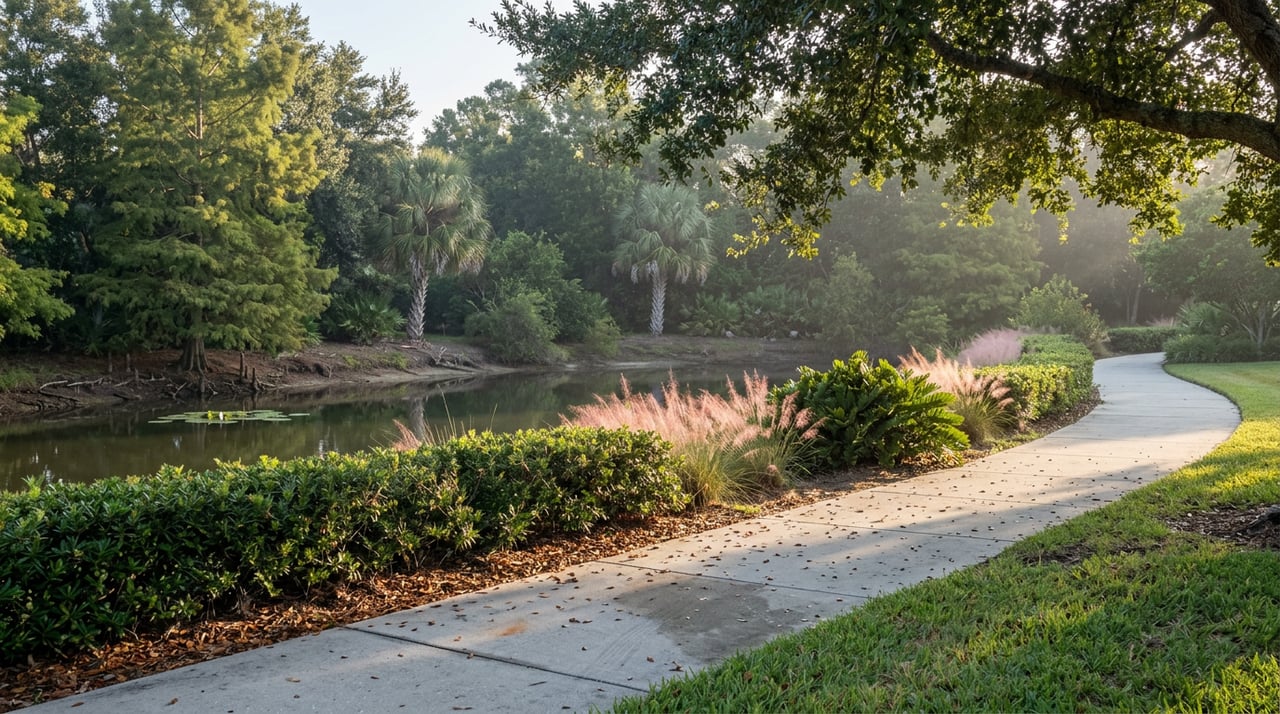
Bayshore Beautiful is known for its waterfront setting, stately homes, and skyline views. The area fronts Hillsborough Bay and connects to the Bayshore Linear Park Trail, which runs from Columbus Statue Park to Gandy Boulevard.
The trail includes a 10-foot-wide sidewalk, a 3-mile on-road bike lane, benches, a marina, bike parking, and fitness stations. If outdoor access is central to your lifestyle, this neighborhood offers a strong everyday amenity base.
Davis Islands
Davis Islands is a unique South Tampa community just outside Downtown. The city highlights outdoor activities, local shops and eateries, community events, parks, green space, water views, a yacht club, a municipal yacht basin, and Peter O. Knight Airport.
For buyers who want a close-in waterfront lifestyle with boating access and a distinct sense of place, Davis Islands can stand out. It often suits people who want both convenience and a strong connection to the water.
Ballast Point
Ballast Point sits on the east coast of South Tampa and offers water walkways, a boat ramp, downtown views, and homes with an older Florida character. That combination can appeal to buyers who want a more relaxed waterfront atmosphere.
If you picture regular time outdoors and value bay access over an urban high-rise environment, Ballast Point may be a strong fit. As with other waterfront locations, address-level flood and evacuation screening should be part of your search.
Suburban Tampa for space and amenities
Not every relocator wants density or waterfront living. If you want more room, a more car-oriented routine, or a planned community setting, suburban-pattern neighborhoods may be the better match.
The city’s planning framework places areas like Beach Park, Forest Hills, and Virginia Park in the suburban pattern. This category is often the best fit for buyers who prefer larger homesites, a quieter daily rhythm, or neighborhood amenities over an urban condo environment.
Tampa Palms
Tampa Palms is one of Tampa’s clearest planned-community examples. According to the city, it spans 5,400 acres, includes 28 villages, and offers housing that ranges from estates and townhomes to custom homes and apartments.
The area also includes five private parks and a short commute to USF and Moffitt. If you want a master-planned feel with a broad range of housing choices, Tampa Palms can offer flexibility for different stages of life.
Forest Hills and golf-oriented living
If golf access is part of your ideal lifestyle, Forest Hills deserves attention. The city specifically notes that Palma Ceia and Forest Hills offer golf course living, and Forest Hills centers on the city-owned Babe Zaharias Golf Course.
The course is described as a park-like center for the suburban community. That can make Forest Hills appealing if you want a residential setting shaped by open green space and a golf-oriented backdrop.
How to build a Tampa neighborhood shortlist
A smart relocation search usually starts by comparing three to five neighborhoods side by side. Tampa’s neighborhood tools are especially useful because they can provide demographics, land use, maps, places of interest, association contacts, meeting schedules, and address-level details like flood zones, evacuation zones, hospitals, libraries, parks, and schools.
Instead of asking which neighborhood is best overall, ask which neighborhood best supports your routine. That small shift can save you time and help you make a more confident move.
Use this simple checklist
- Identify your most common commute destinations
- Decide whether you prefer a condo, townhome, or single-family home
- List your top daily priorities, such as dining access, boating, parks, or more space
- Compare urban, waterfront, and suburban areas based on those priorities
- Check address-level flood and evacuation information before narrowing a final choice
A simple way to think about Tampa areas
| Lifestyle priority | Neighborhoods to explore |
|---|---|
| Walkability and urban access | Downtown, Channel District, Harbour Island, Hyde Park |
| Waterfront views and boating | Bayshore Beautiful, Davis Islands, Ballast Point |
| Space and planned amenities | Tampa Palms, Forest Hills, Virginia Park, Beach Park |
| Central location for commuting | West Tampa, Downtown, Hyde Park |
This kind of side-by-side comparison can make your search feel much more manageable. It also helps you focus on fit first, rather than getting distracted by a home that looks great online but does not match your lifestyle.
Choose the neighborhood that fits your life
The best Tampa neighborhood for you is the one that supports how you actually want to live. You may love the energy of Downtown, the waterfront appeal of Davis Islands, the character of Hyde Park, or the space and planning of Tampa Palms.
The key is to compare a few strong options using commute, home type, daily convenience, and flood considerations as your guide. If you want tailored help narrowing Tampa neighborhoods and finding the right fit for your move, Laura Baker offers knowledgeable, high-touch relocation support across Tampa Bay.
FAQs
What is the best Tampa neighborhood for walkable urban living?
- Downtown, the Channel District, and other close-in urban areas are often strong options if you want higher-density housing, entertainment access, and a lower-maintenance lifestyle.
Which Tampa neighborhoods are good for waterfront living?
- Bayshore Beautiful, Davis Islands, and Ballast Point are notable waterfront areas if you want views, outdoor access, and boating-related amenities.
What should you check before buying near the water in Tampa?
- You should review address-level flood and evacuation zone information through the City of Tampa’s neighborhood tools before making a final decision.
Which Tampa neighborhoods offer more space and planned amenities?
- Tampa Palms is a strong option if you want a planned-community setting, while suburban-pattern neighborhoods like Forest Hills, Beach Park, and Virginia Park may also fit buyers looking for more room.
How can you compare Tampa neighborhoods before relocating?
- Start with your commute, then compare housing type, daily conveniences, and lifestyle priorities across a short list of neighborhoods using the city’s neighborhood research tools.