If you are thinking about selling in Watergrass, one question matters more than almost anything else: how do you stand out when buyers can compare your home to both nearby resales and brand-new construction? That can feel like a lot to sort through, especially when timing, pricing, and prep all affect your bottom line. The good news is that with the right strategy, you can position your home to compete well and attract serious buyers. Let’s dive in.
Understand the Watergrass market
WaterGrass is a 997-acre master-planned community in Wesley Chapel’s 33545 ZIP code, and according to the community website, it is now in its final phase. That matters because buyers are still seeing new-construction options inside the community, not just resale homes. It also means your listing has to compete on value, condition, and presentation.
Market data shows a balanced environment rather than a fast, scarcity-driven seller’s market. As of March 2026, Realtor.com reports that ZIP 33545 had a median listing price of $449,900, 532 active listings, a median 53 days on market, and a 99% sale-to-list ratio. In WaterGrass itself, the median listing price was higher at $530,000, with 35 homes for sale and a median 67 days on market.
That creates an important takeaway for sellers. You cannot rely on low inventory alone to lift your price. Buyers in Watergrass are comparing finishes, lot appeal, layout, and overall move-in readiness before they decide what a home is worth.
Price for today’s buyers
Pricing is where many sellers either create momentum or lose it. In a balanced market, buyers usually have options, so they tend to respond quickly to homes that feel well-positioned and ignore homes that appear overpriced.
This is especially true in Watergrass because the community sits above the wider ZIP code on median list price. If your home is going to command a premium, that premium needs to be supported by things buyers can clearly see and appreciate, such as updated finishes, strong presentation, a desirable lot orientation, or an especially polished condition.
A smart pricing strategy should account for:
- Your home’s condition compared with other Watergrass resales
- Your finish level compared with current builder offerings
- Your lot, street setting, and landscaping
- Your likely days on market based on current competition
- Whether your home feels move-in ready from the first photo onward
The goal is not just to “leave room to negotiate.” The goal is to enter the market at a price that earns attention, drives showings, and protects your leverage.
Factor in builder competition
One of the biggest mistakes Watergrass sellers can make is pricing as if they are competing only with other homeowners. In reality, buyers are also looking at new homes inside and around the area.
According to the WaterGrass community site, M/I Homes is still active there, with pricing from the $500s. On the builder’s WaterGrass page, plans are listed from $541,990 to $646,990 and include features like stainless steel appliances, granite countertops, 42-inch upper kitchen cabinets, smart home automation, and a 15-year transferable structural warranty.
There is also nearby competition in Chapel Crossings. For example, M/I Homes lists a quick move-in home at 5678 Jeffries Way for $529,100, and the same community is advertising up to $60,000 in Flex Cash on select to-be-built homes.
That does not mean resale homes are at a disadvantage. It means your value story has to be different.
Highlight what resale offers
A well-marketed resale home can offer benefits that a new build cannot deliver right away. If you are selling in Watergrass, these are often the details that deserve extra attention in your pricing and marketing strategy:
- An established street setting
- Mature landscaping
- A more settled homesite feel
- Lot orientation that may appeal to some buyers
- Potentially faster closing than a to-be-built home
When your home is prepared well and priced realistically, these strengths can resonate with buyers who want convenience, character, and certainty.
Prep where buyers notice it most
If you are wondering whether you need a major remodel before selling, the answer is usually no. In most cases, the stronger play is to focus on visible, practical improvements that help your home show well online and in person.
According to the 2025 NAR Remodeling Impact Report summary, some of the highest cost recovery projects include a new steel front door, closet renovation, fiberglass front door, and window replacement. NAR also notes that painting and lower-cost updates like a new backsplash, upgraded fixtures, lawn care, and smart home tech can offer good resale value.
For many Watergrass sellers, the most defensible pre-listing investments are:
- Fresh neutral paint
- Clean, uncluttered surfaces
- Updated lighting or hardware
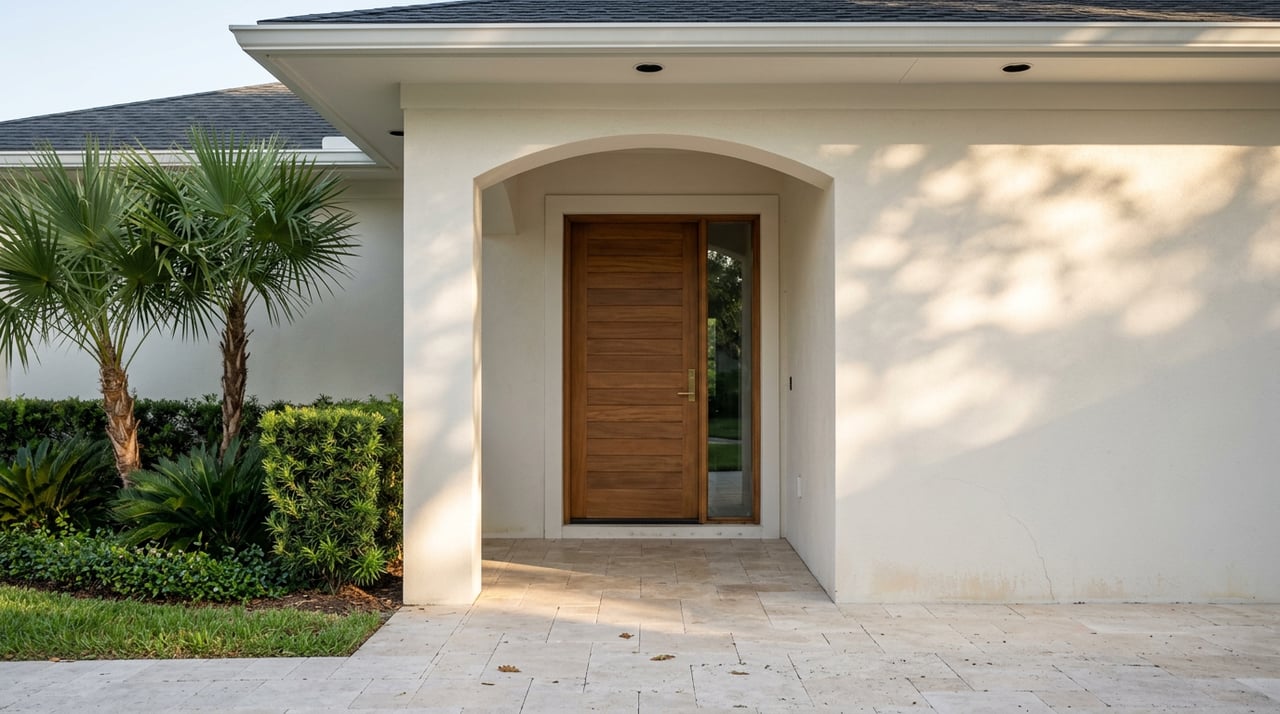
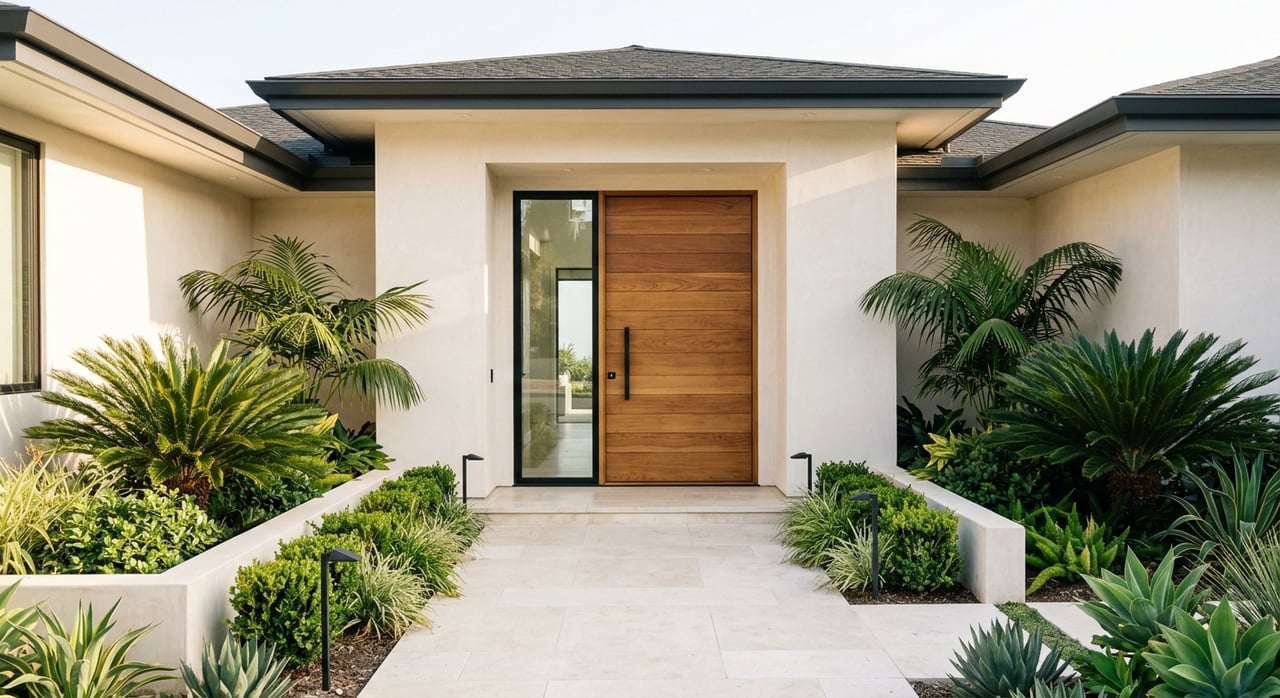
- Entry refreshes for stronger curb appeal
- Minor kitchen or bath touch-ups
- Landscaping cleanup and lawn maintenance
These updates help your home feel current without over-improving for the market.
Stage for clarity, not clutter
Staging works best when it helps buyers understand the home quickly. In a community where buyers may also tour polished model homes, your resale listing needs to feel bright, simple, and easy to picture living in.
The 2025 NAR Profile of Home Staging found that 83% of buyers’ agents said staging made it easier for buyers to visualize a property as a future home. The rooms with the most impact were the living room, primary bedroom, and kitchen.
That same report also suggests staging often delivers incremental value rather than dramatic change. In other words, staging alone does not fix an unrealistic price, but it can help a well-priced home stand out and may help reduce time on market.
For Watergrass, staging should focus on:
- Opening up the main living areas
- Defining each room clearly
- Reducing personal items and excess furniture
- Creating a clean, light, move-in-ready feel
Prioritize photography
Your first showing usually happens online. That is why media quality matters so much, especially when buyers are comparing your home to builder listings with polished visuals.
In the 2025 NAR generational trends report, 43% of buyers said their first step was to look online for properties, and 51% found the home they purchased on the internet. Photos were especially important across buyer groups, and NAR’s staging survey found that 88% of sellers’ agents saw photos as much or more important than physical staging alone.
That means your listing photos should do more than document rooms. They should tell a clear story about flow, light, condition, and livability.
In practical terms, that means focusing on:
- Bright daylight photography
- Accurate room sequencing
- Wide, clean shots that show space clearly
- Exterior images that emphasize curb appeal
- Feature shots that support your price point
Time your launch carefully
Timing does not replace pricing and prep, but it can help you capture stronger attention. If your schedule is flexible, spring remains the clearest seasonal opportunity.
According to Realtor.com’s 2026 Best Time to Sell report, the best week nationally is April 12 through April 18, and for Tampa-St. Petersburg-Clearwater, the best week is April 19, 2026. Homes listed during that metro window historically saw 6.2% higher prices than the start of the year, 26.2% more views, about 7 fewer days on market, and 1.4% fewer price reductions.
That does not mean you should wait no matter what. It means if you have the option, you should start preparing early enough to hit the market before late-spring inventory builds further.
Realtor.com also reports that 53% of sellers take one month or less to get a home ready to list. Even so, homes with a more polished strategy often benefit from a more intentional timeline that includes prep work, staging, photography, and pricing review.
Should you sell as-is?
Yes, you can sell as-is, but that does not always mean it is the strongest financial move. In a market where buyers can compare your home to new construction with warranties, incentives, and modern finishes, visible condition matters.
If you sell as-is, pricing becomes even more important. Buyers will likely account for updates they expect to make, and they may compare your home against builder inventory that feels easier and more predictable.
If your goal is to maximize interest and protect net proceeds, even modest improvements can make a meaningful difference in how buyers respond.
A practical Watergrass selling strategy
If you want a simple framework, this is the approach that makes the most sense in today’s Watergrass market:
- Price with discipline based on current competition, not just your target number.
- Prep the visible basics like paint, lighting, hardware, and curb appeal.
- Stage the key rooms so buyers can understand the home fast.
- Invest in strong photography because online presentation drives showing activity.
- Launch at the right time if your schedule allows, ideally in the spring window.
Selling in Watergrass is not about chasing the highest possible number on day one. It is about creating a listing that looks justified, compelling, and move-in ready compared with every other option buyers are considering.
When you combine smart pricing, targeted prep, and a well-timed launch, you give yourself the best chance to attract serious buyers and move with confidence. If you are considering a sale in Watergrass and want a strategy built around presentation, timing, and net proceeds, connect with Laura Baker to request a complimentary home strategy and valuation.
FAQs
What is the current market like for selling a home in Watergrass?
- Watergrass is active but balanced, not strongly scarcity-driven. As of March 2026, WaterGrass had a median listing price of $530,000, 35 homes for sale, and 67 median days on market, while ZIP 33545 showed a 99% sale-to-list ratio and 53 median days on market according to Realtor.com.
When is the best time to list a home in Watergrass?
- If your timing is flexible, spring is the strongest seasonal window. Realtor.com’s 2026 report identifies April 19, 2026 as the best week for the Tampa-St. Petersburg-Clearwater metro area.
Do sellers in Watergrass need to renovate before listing?
- Usually not. Smaller, visible updates like fresh paint, lighting, hardware, curb appeal improvements, and selective kitchen or bath touch-ups often make more sense than a major remodel.
How important is staging when selling a Watergrass home?
- Staging can help buyers picture the home more easily, especially in the living room, primary bedroom, and kitchen. NAR’s 2025 staging survey found that 83% of buyers’ agents said staging made it easier for buyers to visualize the property.
Can I sell my Watergrass home as-is?
- Yes, but you may need a more conservative pricing strategy. Buyers are also comparing resale homes with new construction that may offer incentives, warranties, and updated finishes.
Why does professional photography matter when selling in Watergrass?
- Buyers often start online, and photos are one of the most useful listing features. Strong photography helps your home compete with polished builder marketing and can support buyer interest from the start.